

Meter & Control Units
Meter & Control Units for Automatic Lubrication Systems
Meter and control units are precision components used in automatic lubrication systems to regulate, measure, and distribute the correct amount of lubricant to individual lubrication points. They ensure that each bearing, guide, or moving component receives the proper volume of oil or grease—no more and no less.
What Are Meter & Control Units?
Meter and control units are mechanical or electro-mechanical devices installed downstream of a lubrication pump. Their role is to divide, meter, or control lubricant flow before it reaches lubrication points. Depending on the system design, these units may distribute lubricant sequentially, proportionally, or on demand.
Primary Use Cases
- Distributing lubricant evenly across multiple lubrication points
- Ensuring consistent lubrication in progressive or injector-based systems
- Preventing over-lubrication or under-lubrication
- Supporting automated lubrication cycles in industrial machinery
Who Meter & Control Units Are For
These components are commonly used by:
- Maintenance and reliability teams
- OEM machine builders
- Manufacturing and machining operations
- Facilities running centralized lubrication systems
When to Use Meter & Control Units
- When multiple lubrication points must be supplied from a single pump
- When precise lubricant volume control is required
- In progressive, single-line, or injector lubrication systems
- When machine uptime and lubrication consistency are critical
When Meter & Control Units May Not Be the Right Choice
- In simple, single-point manual lubrication applications
- Where lubrication frequency and volume are not critical
- In systems not designed for metered or controlled flow
How Meter & Control Units Fit Into a Lubrication System
Meter and control units sit between the lubrication pump and the lubrication points. After the pump delivers lubricant, these units divide and regulate flow before sending it through distribution tubing. In many systems, they work alongside controllers, monitoring devices, and injectors to maintain system accuracy and reliability.
Common Types of Meter & Control Units
- Progressive metering units – Sequentially distribute lubricant to multiple outlets
- Injector units – Deliver measured volumes to individual points
- Flow control units – Regulate pressure and volume
- Monitoring-enabled units – Provide feedback for system diagnostics
Common Mistakes and Misapplications
- Using the wrong metering size for the application
- Ignoring pressure requirements of the system
- Installing units without proper system balancing
- Failing to account for downstream tubing length and resistance
Key Benefits
- Consistent lubrication delivery across all points
- Reduced component wear and extended machine life
- Lower lubricant waste and cleaner operation
- Improved reliability and reduced maintenance intervention
- Support for scalable and automated lubrication systems
Frequently Asked Questions
What is the difference between a meter unit and a control unit?
Meter units focus on delivering a precise volume of lubricant, while control units regulate flow, pressure, or sequence within the lubrication system. Many systems use both together.
Are meter units specific to oil or grease systems?
Meter and control units are available for both oil and grease systems, but must be selected based on lubricant type, viscosity, and system pressure.
Do meter & control units require maintenance?
While generally low-maintenance, they should be inspected periodically for blockage, wear, or contamination, especially in harsh environments.
Related Categories
-
On Sale
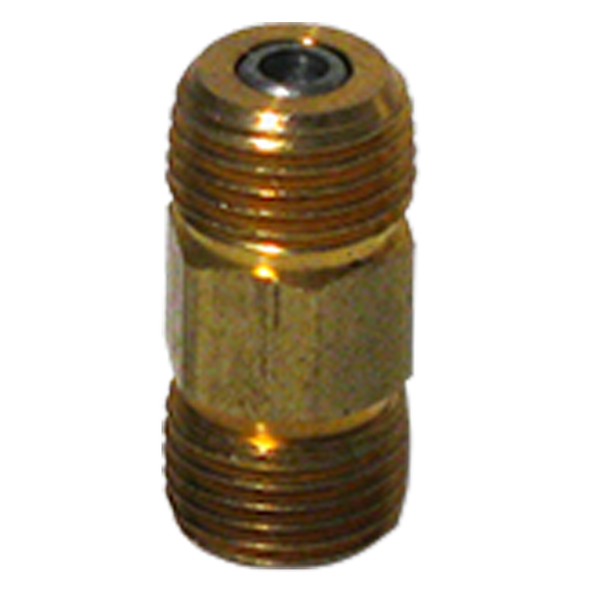
Bijur Delimon B8725 Meter Unit FB-00 - 1/8 NPT Thread | Flow Rate: Slow
Bijur Delimon
Now: $16.95Was: $18.55Ordering Information & How to Choose the Right Unit To order the correct meter unit, refer to the part number stamped on the hexagonal body of the unit. Example ordering format: Meter Unit, Type FSA-0, Part #B1083 For more details or assistance in...B8725Now: $16.95Was: $18.55 -
On Sale
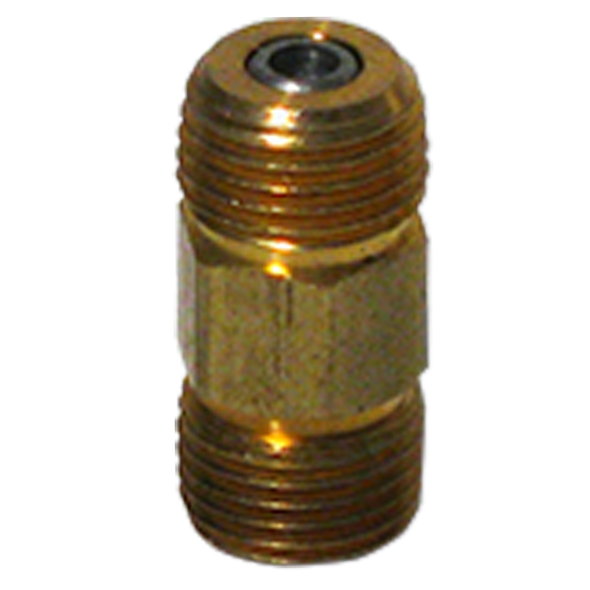
Bijur Delimon B8726 Meter Unit FB-1 - 1/8 NPT Thread | Flow Rate: Medium
Bijur Delimon
Now: $16.95Was: $18.55Ordering Information & How to Choose the Right Unit To order the correct meter unit, refer to the part number stamped on the hexagonal body of the unit. Example ordering format: Meter Unit, Type FSA-0, Part #B1083 For more details or assistance in...B8726Now: $16.95Was: $18.55 -
On Sale

Bijur Delimon B8727 Meter Unit FB-2 - 1/8 NPT Thread | Flow Rate: Medium Fast
Bijur Delimon
Now: $16.95Was: $18.55Ordering Information & How to Choose the Right Unit To order the correct meter unit, refer to the part number stamped on the hexagonal body of the unit. Example ordering format: Meter Unit, Type FSA-0, Part #B1083 For more details or assistance in...B8727Now: $16.95Was: $18.55 -
On Sale
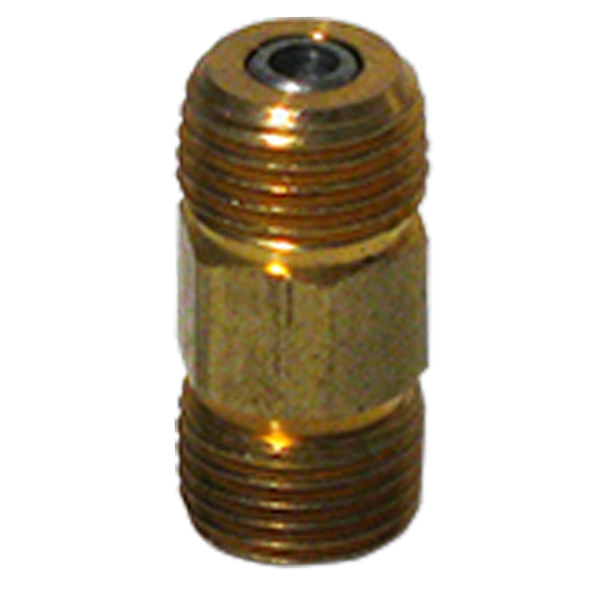
Bijur Delimon B8728 Meter Unit FB-3 - 1/8 NPT Thread | Flow Rate: Fast
Bijur Delimon
Now: $16.95Was: $18.55Ordering Information & How to Choose the Right Unit To order the correct meter unit, refer to the part number stamped on the hexagonal body of the unit. Example ordering format: Meter Unit, Type FSA-0, Part #B1083 For more details or assistance in...B8728Now: $16.95Was: $18.55 -
On Sale
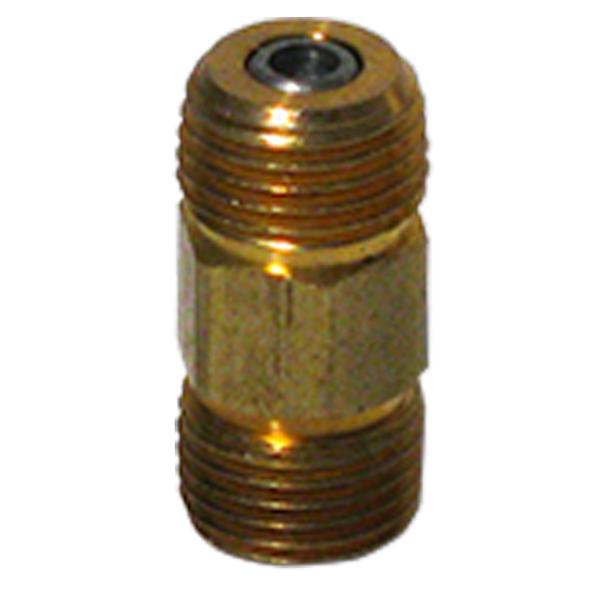
Bijur Delimon B8729 Meter Unit FB-4 - 1/8 NPT Thread | Flow Rate: Extra Fast
Bijur Delimon
Now: $16.95Was: $18.55Ordering Information & How to Choose the Right Unit To order the correct meter unit, refer to the part number stamped on the hexagonal body of the unit. Example ordering format: Meter Unit, Type FSA-0, Part #B1083 For more details or assistance in...B8729Now: $16.95Was: $18.55 -
On Sale

Bijur Delimon B8730 Meter Unit FB-5 - 1/8 NPT Thread | Flow Rate: Extra Extra Fast
Bijur Delimon
Now: $16.95Was: $18.55Ordering Information & How to Choose the Right Unit To order the correct meter unit, refer to the part number stamped on the hexagonal body of the unit. Example ordering format: Meter Unit, Type FSA-0, Part #B1083 For more details or assistance in...B8730Now: $16.95Was: $18.55 -
On Sale
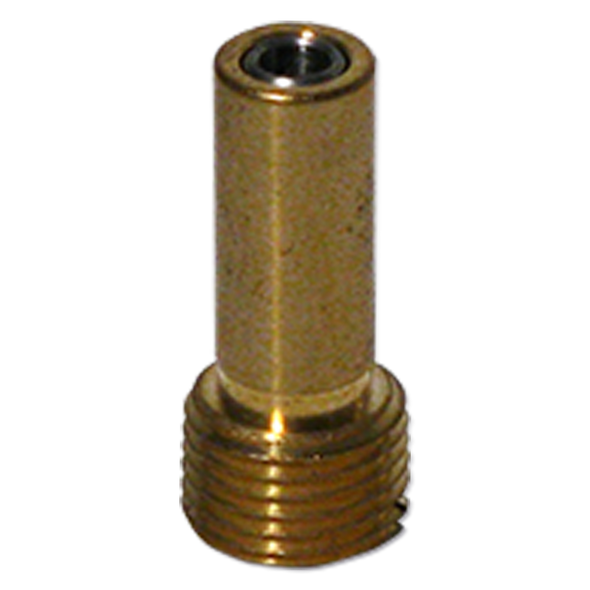
Bijur Delimon B8870 Meter Unit FKD-00 - Inch thread - 5 lb check valve Thread | Flow Rate: Slow
Bijur Delimon
Now: $19.99Was: $22.23Ordering Information & How to Choose the Right Unit To order the correct meter unit, refer to the part number stamped on the hexagonal body of the unit. Example ordering format: Meter Unit, Type FSA-0, Part #B1083 For more details or assistance in...B8870Now: $19.99Was: $22.23 -
On Sale
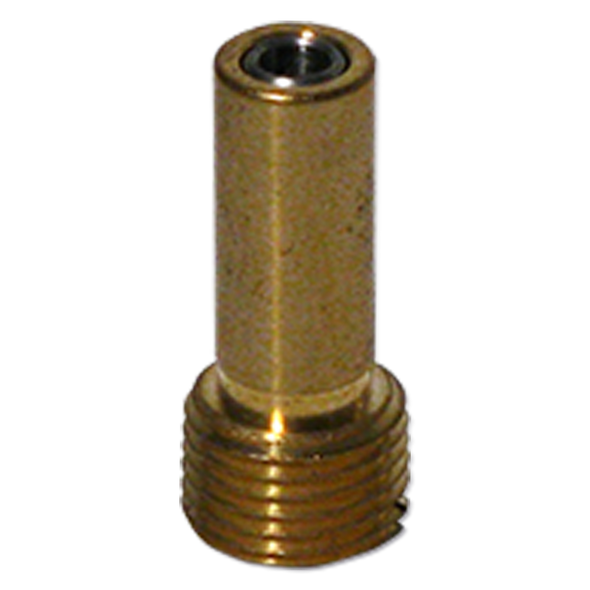
Bijur Delimon B8871 Meter Unit FKD-0 - Inch thread - 5 lb check valve Thread | Flow Rate: Medium Slow
Bijur Delimon
Now: $19.99Was: $22.23Ordering Information & How to Choose the Right Unit To order the correct meter unit, refer to the part number stamped on the hexagonal body of the unit. Example ordering format: Meter Unit, Type FSA-0, Part #B1083 For more details or assistance in...B8871Now: $19.99Was: $22.23 -
On Sale
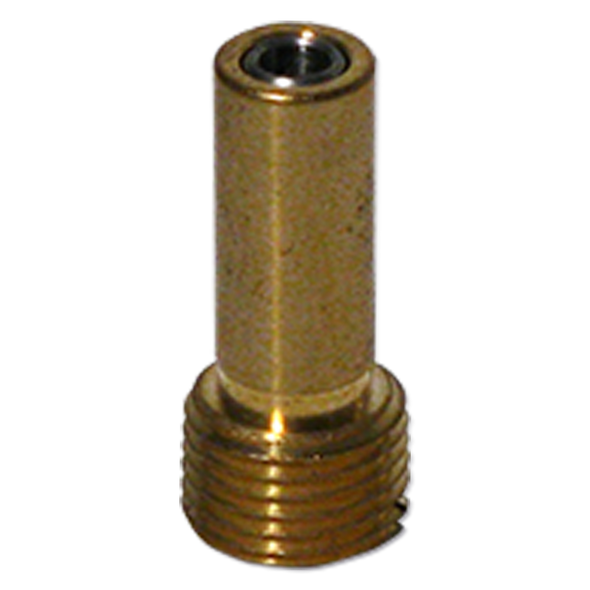
Bijur Delimon B8872 Meter Unit FKD-1 - Inch thread - 5 lb check valve Thread | Flow Rate: Medium
Bijur Delimon
Now: $19.99Was: $22.23Ordering Information & How to Choose the Right Unit To order the correct meter unit, refer to the part number stamped on the hexagonal body of the unit. Example ordering format: Meter Unit, Type FSA-0, Part #B1083 For more details or assistance in...B8872Now: $19.99Was: $22.23 -
On Sale
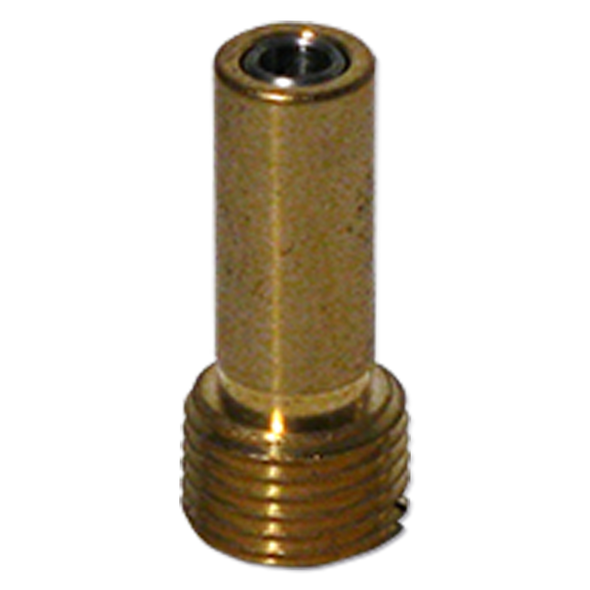
Bijur Delimon B8873 Meter Unit FKD-2 - Inch thread - 5 lb check valve Thread | Flow Rate: Medium Fast
Bijur Delimon
Now: $19.99Was: $22.23Ordering Information & How to Choose the Right Unit To order the correct meter unit, refer to the part number stamped on the hexagonal body of the unit. Example ordering format: Meter Unit, Type FSA-0, Part #B1083 For more details or assistance in...B8873Now: $19.99Was: $22.23 -
On Sale

Bijur Delimon B8874 Meter Unit FKD-3 - Inch thread - 5 lb check valve Thread | Flow Rate: Fast
Bijur Delimon
Now: $19.99Was: $22.23Ordering Information & How to Choose the Right Unit To order the correct meter unit, refer to the part number stamped on the hexagonal body of the unit. Example ordering format: Meter Unit, Type FSA-0, Part #B1083 For more details or assistance in...B8874Now: $19.99Was: $22.23 -
On Sale

Bijur Delimon B8875 Meter Unit FKD-4 - Inch thread - 5 lb check valve Thread | Flow Rate: Extra Fast
Bijur Delimon
Now: $19.99Was: $22.23Ordering Information & How to Choose the Right Unit To order the correct meter unit, refer to the part number stamped on the hexagonal body of the unit. Example ordering format: Meter Unit, Type FSA-0, Part #B1083 For more details or assistance in...B8875Now: $19.99Was: $22.23
