
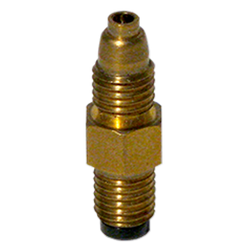
Meter Units
How To Order
Meter units have a letter and number designation stamped on the flat surface of the hexagonal body. When ordering, specify the complete name and part number, e.g. Meter Unit, Type FSA-0, Part #B1083. (Use the chart below as reference only for letter and number designation definitions.)

If you know the letter designation you can select them below:
Meter Units for Automatic Lubrication Systems
Meter units are precision components used in automatic lubrication systems to dispense exact volumes of lubricant to individual lubrication points. They help ensure each bearing, slide, or moving part receives the right amount of oil or grease, improving reliability and reducing wear.
What Are Meter Units?
A meter unit is a mechanical or electro-mechanical device installed downstream of a lubrication pump. Its purpose is to portion lubricant into fixed, consistent volumes for delivery to specific lubrication points in a system. Unlike generic distribution blocks, meter units dispense defined quantities per pump cycle, making them a key element in balanced lubrication.
Primary Use Cases
- Automatic lubrication systems requiring precise, repeatable lubricant volumes
- Applications where each point must receive a defined amount of oil or grease
- Systems with multiple lubrication points fed from one pump
- OEM machines and production lines needing consistent wear protection
Who Meter Units Are For
- Maintenance and reliability teams responsible for uptime
- OEM engineers designing automated machinery
- Manufacturers with centralized lubrication needs
- Operations looking to reduce manual lubrication tasks
When to Use Meter Units
- When you need exact lubricant volumes at each lubrication point
- In progressive lubrication circuits
- When balancing flow across many points is required
- To reduce wear and extend equipment life with consistent delivery
When Meter Units May Not Be the Right Choice
- In simple manual lubrication applications
- Where only one or two points require occasional lubrication
- When lubricant volumes can vary widely per point
How Meter Units Fit Into a Lubrication System
Meter units are typically mounted between a lubrication pump and the tubing that feeds individual lubricant lines. The pump supplies lubricant under pressure to the meter unit, which then portions and sends lubricant to each designated point. Meter units can be used alone or with dividers, controllers, and monitoring devices to form a complete automated lubrication solution.
Common Types of Meter Units
- Progressive meter units – Sequence lubricant to multiple outlets
- Single-output meter units – Deliver a fixed volume to one point
- Modular meter units – Combine multiple sections for scalable systems
- Monitoring-enabled units – Include feedback or fault reporting
Common Mistakes and Misapplications
- Choosing incorrect meter size for lubricant type or viscosity
- Failing to align meter outputs to system pressure ranges
- Installing meter units without considering sequence and speed requirements
- Using meter units in systems requiring monitored or verified delivery without feedback
Key Benefits
- Precise lubrication volumes for every point
- Improved equipment life and reduced wear
- Balanced flow across multiple lubrication points
- Reduced lubricant waste
- Lower maintenance time compared to manual greasing
Frequently Asked Questions
What is the difference between a meter unit and a divider?
Meter units dispense defined volumes of lubricant to specific points, while dividers simply split flow into multiple outlets. Meter units provide volume accuracy that dividers do not.
Are meter units compatible with both oil and grease?
Yes, but meter units must be selected and configured based on lubricant type, system pressure, and viscosity.
Do meter units require maintenance?
Meter units are generally low-maintenance but should be checked for blockages and wear, especially in harsh environments, to ensure consistent delivery.
Related Categories
-
 FSA Meter Units
-
 FSB Meter Units
-
 FT Meter Units
-
 FTA Meter Units
-
 FTB Meter Units
-
 FTC Meter Units
-
 FTD Meter Units
-
 FTG Meter Units
-
 FTH Meter Units
-
 FTK Meter Units
-
 FTL Meter Units
-
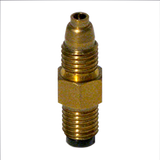 AJB Meter Units
-
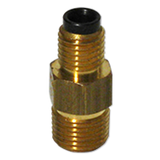 ASA Meter Units
-
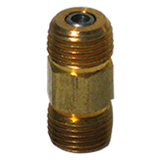 FB Meter Units
-
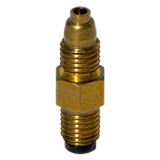 FJB Meter Units
-
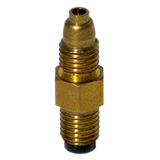 FJC Meter Units
-
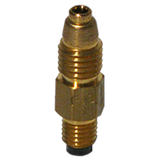 FJD Meter Units
-
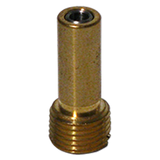 FKA Meter Units
-
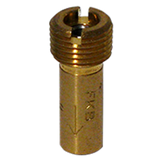 FKB Meter Units
-
 FKD Meter Units
-
On Sale
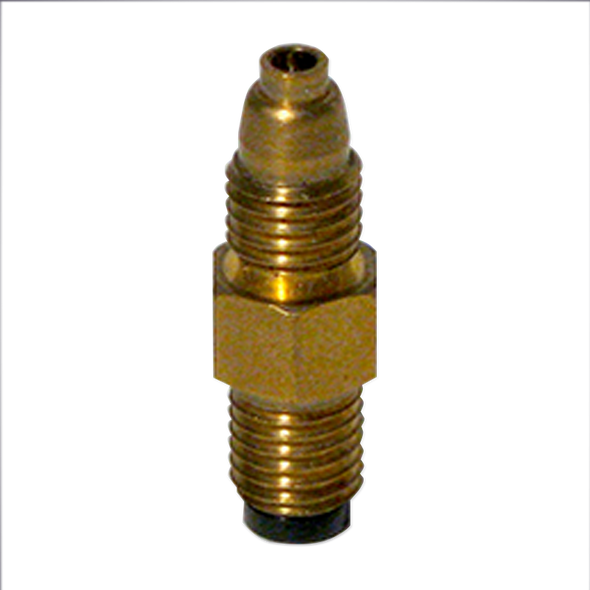
Bijur Delimon 15323-0 Meter Unit AJB-0 - Male Thread | Flow Rate: Medium slow
Bijur Delimon
Now: $16.95Was: $19.38Ordering Information & How to Choose the Right Unit To order the correct meter unit, refer to the part number stamped on the hexagonal body of the unit. Example ordering format: Meter Unit, Type FSA-0, Part #B1083 For more details or assistance in...15323-0Now: $16.95Was: $19.38 -
On Sale
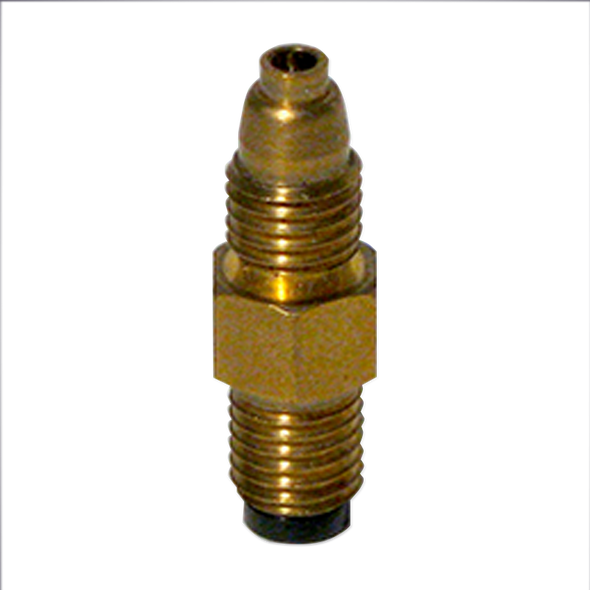
Bijur Delimon 15323-1 Meter Unit AJB-1 - Male Thread | Flow Rate: Medium
Bijur Delimon
Now: $16.95Was: $19.38Ordering Information & How to Choose the Right Unit To order the correct meter unit, refer to the part number stamped on the hexagonal body of the unit. Example ordering format: Meter Unit, Type FSA-0, Part #B1083 For more details or assistance in...15323-1Now: $16.95Was: $19.38 -
On Sale
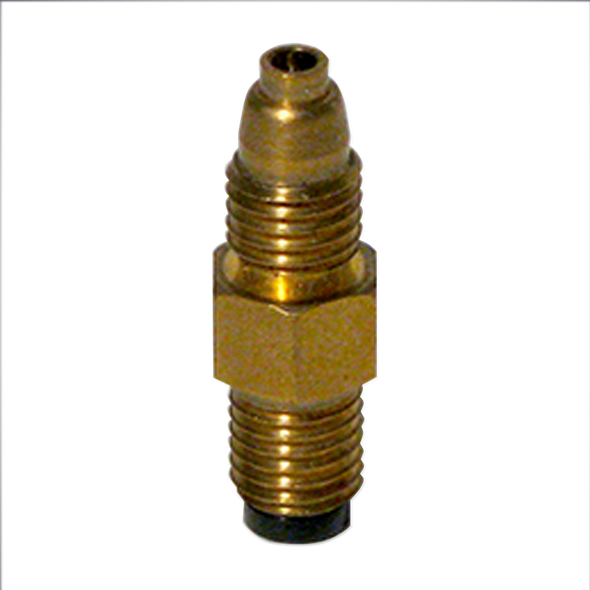
Bijur Delimon 15323-2 Meter Unit AJB-2 - Male Thread | Flow Rate: Medium Fast
Bijur Delimon
Now: $16.95Was: $19.38Ordering Information & How to Choose the Right Unit To order the correct meter unit, refer to the part number stamped on the hexagonal body of the unit. Example ordering format: Meter Unit, Type FSA-0, Part #B1083 For more details or assistance in...15323-2Now: $16.95Was: $19.38 -
On Sale
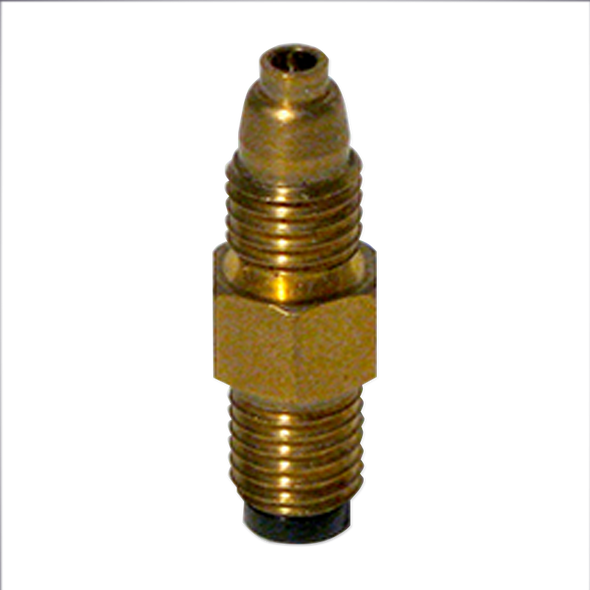
Bijur Delimon 15323-3 Meter Unit AJB-3 - Male Thread | Flow Rate: Fast
Bijur Delimon
Now: $16.95Was: $19.38Ordering Information & How to Choose the Right Unit To order the correct meter unit, refer to the part number stamped on the hexagonal body of the unit. Example ordering format: Meter Unit, Type FSA-0, Part #B1083 For more details or assistance in...15323-3Now: $16.95Was: $19.38 -
On Sale
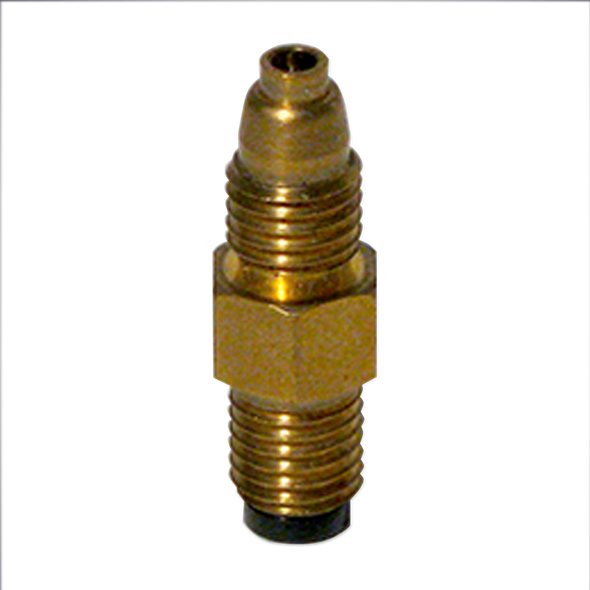
Bijur Delimon 15323-4 Meter Unit AJB-4 - Male Thread | Flow Rate: Extra Fast
Bijur Delimon
Now: $16.95Was: $19.38Ordering Information & How to Choose the Right Unit To order the correct meter unit, refer to the part number stamped on the hexagonal body of the unit. Example ordering format: Meter Unit, Type FSA-0, Part #B1083 For more details or assistance in...15323-4Now: $16.95Was: $19.38 -
On Sale
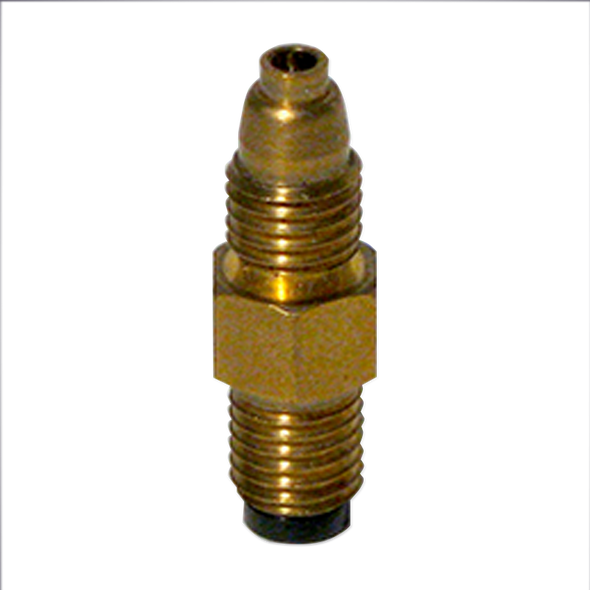
Bijur Delimon 15323-5 Meter Unit AJB-5 - Male Thread | Flow Rate: Extra Extra Fast
Bijur Delimon
Now: $16.95Was: $19.38Ordering Information & How to Choose the Right Unit To order the correct meter unit, refer to the part number stamped on the hexagonal body of the unit. Example ordering format: Meter Unit, Type FSA-0, Part #B1083 For more details or assistance in...15323-5Now: $16.95Was: $19.38 -
On Sale
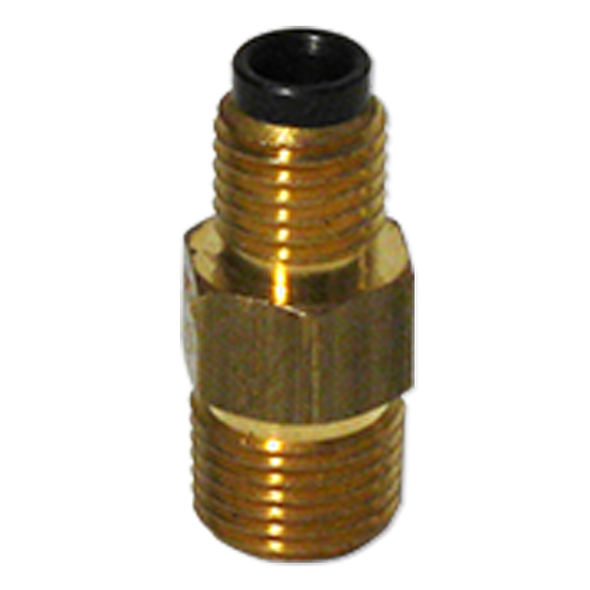
Bijur Delimon 17841-0 Meter Unit ASA-0
Bijur Delimon
MSRP: $17.18Now: $16.16Was: $17.45Ordering Information & How to Choose the Right Unit To order the correct meter unit, refer to the part number stamped on the hexagonal body of the unit. Example ordering format: Meter Unit, Type FSA-0, Part #B1083 For more details or assistance in...17841-0MSRP: $17.18Now: $16.16Was: $17.45 -
On Sale
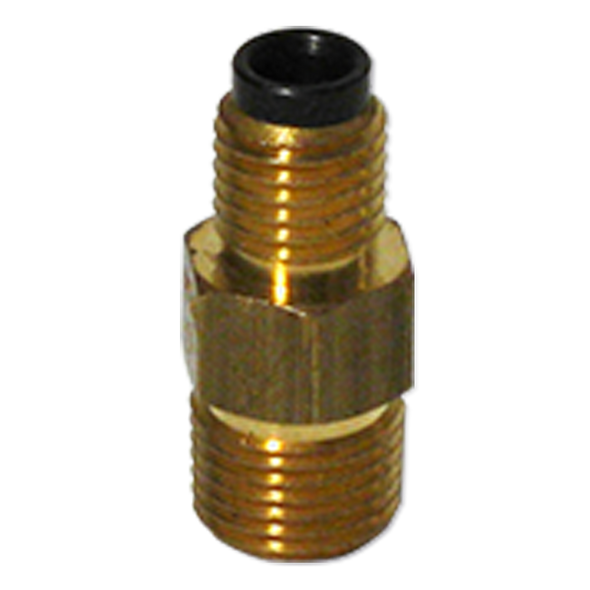
Bijur Delimon 17841-00 Meter Unit ASA-00 - Metric thread - 5 lb check valve Thread | Flow Rate: Slow
Bijur Delimon
MSRP: $17.18Now: $16.16Was: $17.45Ordering Information & How to Choose the Right Unit To order the correct meter unit, refer to the part number stamped on the hexagonal body of the unit. Example ordering format: Meter Unit, Type FSA-0, Part #B1083 For more details or assistance in...17841-00MSRP: $17.18Now: $16.16Was: $17.45 -
On Sale
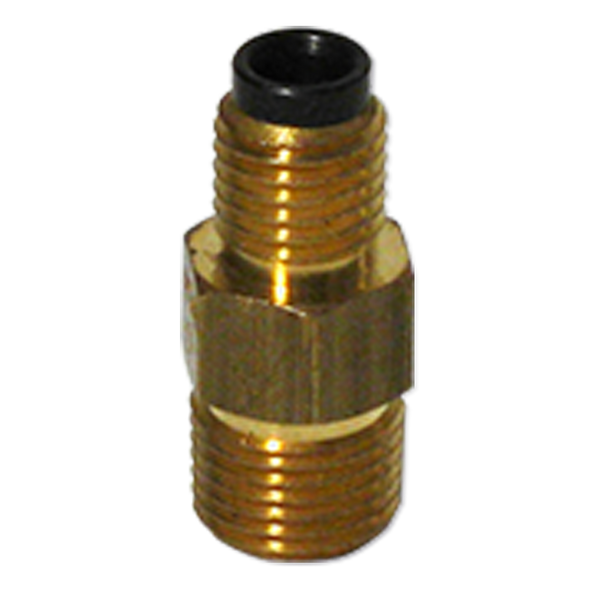
Bijur Delimon 17841-1 Meter Unit ASA-1
Bijur Delimon
MSRP: $17.18Now: $16.16Was: $17.45Ordering Information & How to Choose the Right Unit To order the correct meter unit, refer to the part number stamped on the hexagonal body of the unit. Example ordering format: Meter Unit, Type FSA-0, Part #B1083 For more details or assistance in...17841-1MSRP: $17.18Now: $16.16Was: $17.45 -
On Sale
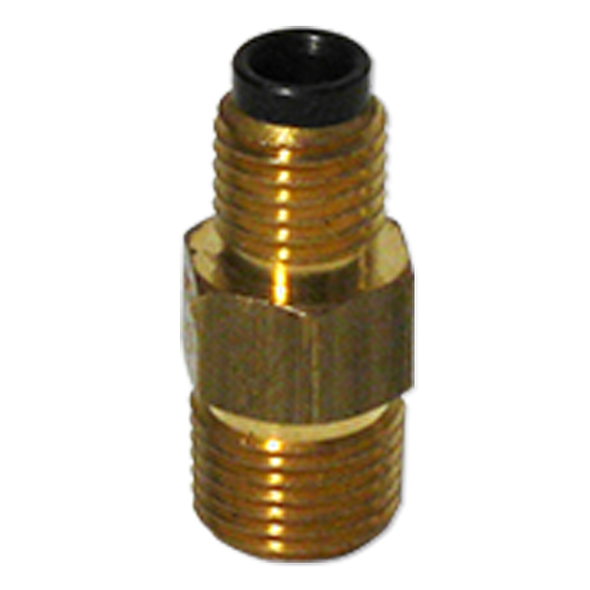
Bijur Delimon 17841-2 Meter Unit ASA-2
Bijur Delimon
MSRP: $17.18Now: $16.16Was: $17.45Ordering Information & How to Choose the Right Unit To order the correct meter unit, refer to the part number stamped on the hexagonal body of the unit. Example ordering format: Meter Unit, Type FSA-0, Part #B1083 For more details or assistance in...17841-2MSRP: $17.18Now: $16.16Was: $17.45 -
On Sale
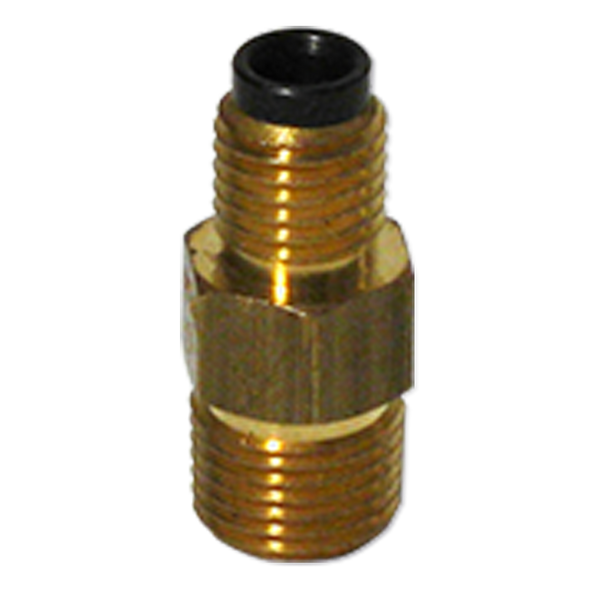
Bijur Delimon 17841-3 Meter Unit ASA-3
Bijur Delimon
MSRP: $17.18Now: $16.16Was: $17.45Ordering Information & How to Choose the Right Unit To order the correct meter unit, refer to the part number stamped on the hexagonal body of the unit. Example ordering format: Meter Unit, Type FSA-0, Part #B1083 For more details or assistance in...17841-3MSRP: $17.18Now: $16.16Was: $17.45 -
On Sale
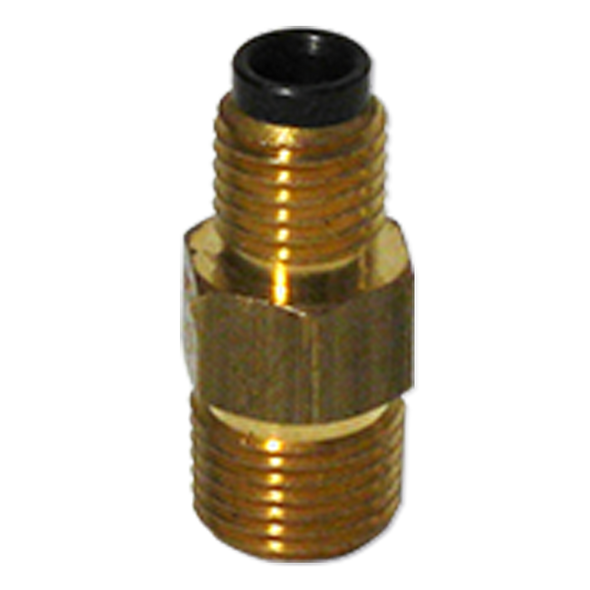
Bijur Delimon 17841-4 Meter Unit ASA-4
Bijur Delimon
MSRP: $17.18Now: $16.16Was: $17.45Ordering Information & How to Choose the Right Unit To order the correct meter unit, refer to the part number stamped on the hexagonal body of the unit. Example ordering format: Meter Unit, Type FSA-0, Part #B1083 For more details or assistance in...17841-4MSRP: $17.18Now: $16.16Was: $17.45
