
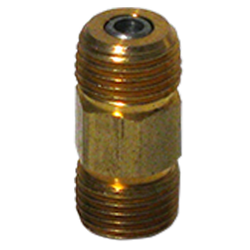
Control Units
How To Order
Control units are oil proportioning devices for continuous systems. Each outlet of a lubricating system is controlled by a control unit. The lubricator in the system dispenses known amounts of oil to the distribution network and control units deliver this oil in varying amounts to the bearing points. Standard flow rates range from 3/0 (slow) to 3 (fast). For special situations, 5/0 (extra, extra slow) and 5 (extra, extra fast) rates are available. Each incremental increase in rate size doubles the oil fl ow to a point.

Control Units for Automatic Lubrication Distribution Systems
Control units are components in automatic lubrication distribution systems that regulate, sequence, and coordinate lubricant delivery to multiple points of machinery. They serve as the “brains” of the distribution layer, ensuring lubricant is delivered at the right time, in the correct amount, and in the proper sequence.
What Are Control Units?
Control units manage how lubricant flows through distribution elements. They can include mechanical devices, solenoid valves, sequencers, or electronic control modules that interact with pumps and downstream dividers or meter units. Their function ranges from simple activation to more complex sequencing and feedback control.
Primary Use Cases
- Sequencing lubricant delivery in systems with multiple zones
- Controlling flow timing in progressive or advanced lubrication circuits
- Integrating lubrication cycles with machine operations
- Enabling automated, repeatable lubrication without manual intervention
Who Uses Control Units?
- Maintenance and reliability professionals
- OEM machine designers and integrators
- Manufacturers running centralized lubrication systems
- Operations prioritizing uptime and consistent lubrication performance
When to Use Control Units
- When you have multiple lubrication zones requiring coordinated delivery
- When timing and sequence impact machine wear protection
- When integrating with PLCs or machine controls is necessary
- When consistency and reliability are required across lubrication points
When Control Units Are Not Necessary
- Simple systems with one or two lubrication points
- Systems not requiring sequencing or timing control
- Where manual lubrication remains acceptable
- When basic flow splitting (e.g., simple dividers) suffices
How Control Units Fit into a Lubrication System
In an automatic lubrication system, the pump sends lubricant to control units. The control unit manages flow timing, sequences events, and interfaces with downstream dividers, meter units, or direct lubrication lines. Control units can interface with machine signals, pressure feedback, timers, or PLCs to ensure lubricant is delivered in sync with machine operation.
Common Types of Control Units
- Mechanical sequencers – Basic sequence control for progressive systems
- Solenoid valve packs – Electrically actuated flow control
- Electronic control modules – Programmable logic for advanced timing and integration
- PLC-integrated control units – Full machine sequence coordination and data/logging
Common Mistakes and Misapplications
- Using a control unit overkill for simple lubrication needs
- Failing to align control logic with machine operation cycles
- Ignoring wiring, voltage, or input compatibility with machine controls
- Not considering feedback devices when monitoring system performance
Key Benefits
- Precise lubrication timing and sequencing
- Improved machine uptime and wear protection
- Synchronized lubrication with machine cycles
- Reduced maintenance intervention and manual tasks
- Better integration with automation and control systems
Frequently Asked Questions
What does a control unit do in an automatic lubrication system?
A control unit coordinates the timing and sequence of lubricant delivery to multiple points, often integrating with machine operation or larger automation systems.
Do control units require electrical power?
Many control units are electrically actuated or programmable and require power, though some basic mechanical sequencers do not.
Can control units communicate with PLCs?
Yes, advanced control units can interface with PLCs or machine controls for synchronized lubrication and status feedback.
Related Categories
-
 CB Control Units
-
 CF Control Units
-
 CJB Control Units
-
 CJC Control Units
-
 CJD Control Units
-
 CKD Control Units
-
 CKE Control Units
-
 CRA Control Units
-
 CKA Control Units
-
 CKB Control Units
-
On Sale
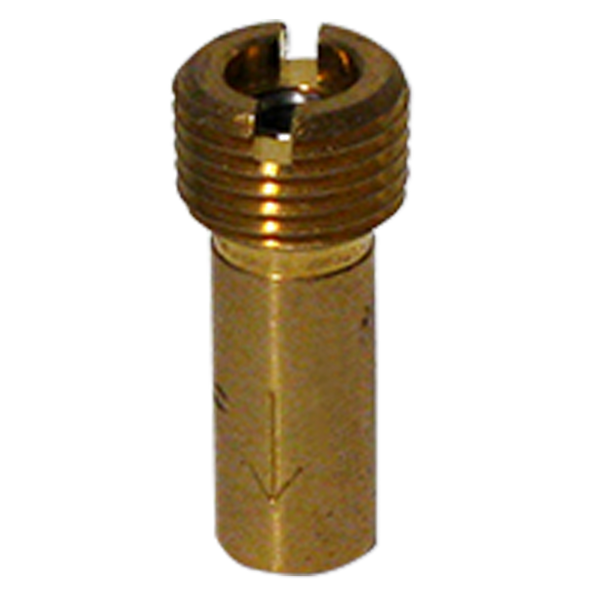
Bijur Delimon B9430 CKE-4 Control Unit – Extra Fast Flow Lubrication Control Device
Bijur Delimon
MSRP: $39.79Now: $34.40Was: $36.21Bijur Delimon – Control Unit CKE-4: Extra, Extra Fast Flow, Insert Type E (British Standard)L. Dewitt's SKU #: B9430 | Mfr Part #: B9430The Bijur Delimon B9430 Control Unit (Type CKE-4) is an oil proportioning device for continuous-flow...B9430MSRP: $39.79Now: $34.40Was: $36.21 -
On Sale
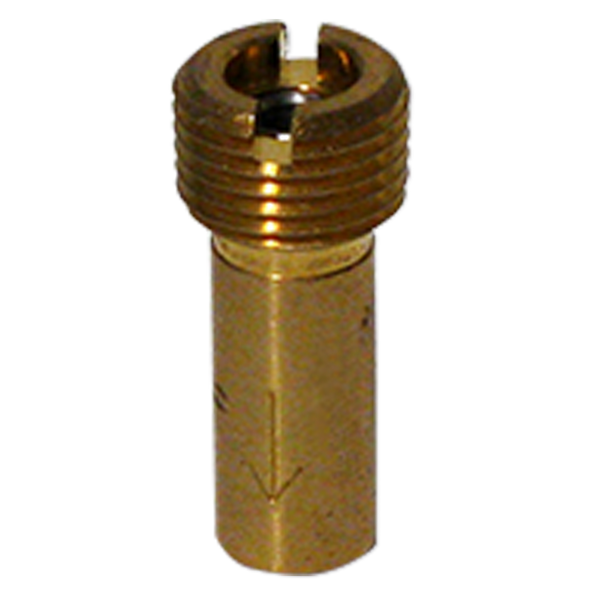
Bijur Delimon B9431 CKE-5 Control Unit – Extra Extra Fast Flow Lubrication Distribution Block
Bijur Delimon
MSRP: $39.79Now: $34.40Was: $36.21Bijur Delimon – Control Unit CKE-5: Extra, Extra Fast (Max) Flow, Insert Type E (British Standard)L. Dewitt's SKU #: B9431 | Mfr Part #: B9431The Bijur Delimon B9431 Control Unit (Type CKE-5) is an oil proportioning device for...B9431MSRP: $39.79Now: $34.40Was: $36.21
